
Overview
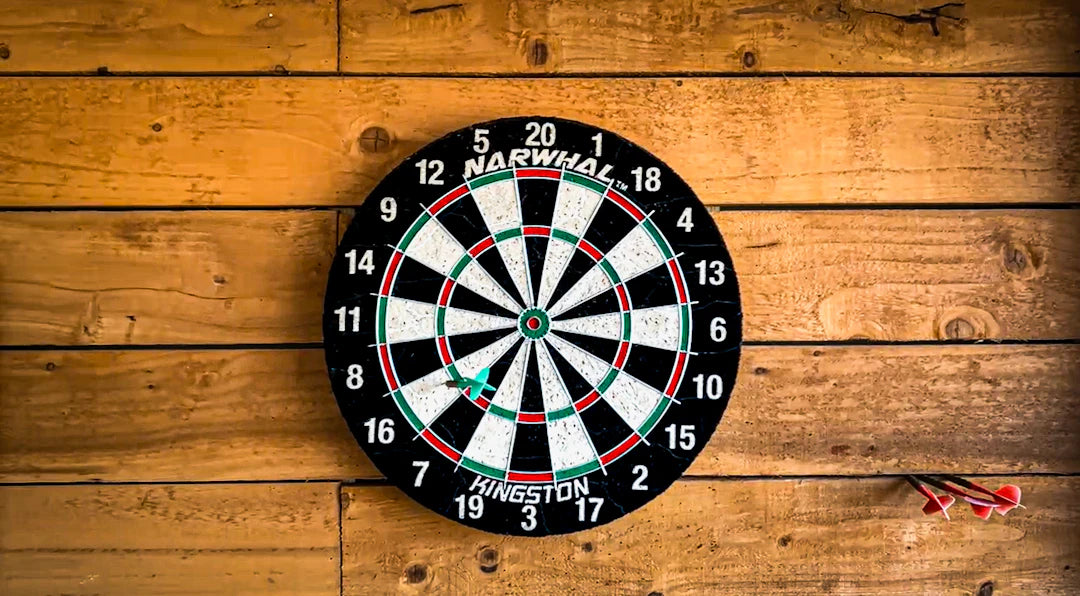
Darts has a rich history dating back to 19th century England, evolving from outdoor play to a popular pub game with standardized rules and competitive leagues. Its global rise, aided by televised events, has made it a staple in social settings, akin to shuffleboard. Modern innovations, local leagues, and a fusion with other games continue to enhance its appeal, ensuring darts remains a beloved pastime for both casual and competitive players.
Table of Contents
- The Origins of Darts
- The Transition from Outdoor to Indoor
- The Development of Modern Darts
- Expanding the Game Globally
- Darts vs. Shuffleboard: A Friendly Comparison
- Why Players Love Darts
- The Rise of Competitive Darts
- Televised Events and Their Impact
- Modern Darts and Technological Innovations
- Importance of Local Leagues
- The Future of Darts
- The Fusion of Games
- Tips for Getting Started with Darts
- A Game That Will Never Fade
Key Takeaways
- Historical Roots: Darts originated in late 19th century England, evolving from outdoor activities using various objects to a standardized indoor game.
- Pub Culture: The establishment of pubs in England played a crucial role in transitioning darts to a popular indoor sport, fostering social interactions.
- Global Popularity: By the mid-20th century, darts gained international recognition, particularly due to televised tournaments in the 1970s.
- Technological Advances: Modern innovations like electronic dartboards and mobile apps have enhanced gameplay and made darts more accessible.
- Local Leagues: Community leagues are vital for promoting darts, offering structured competition and fostering engagement among players.
- Future Outlook: The growing interest in darts is leading to new recreational spaces that incorporate both darts and shuffleboard, enhancing social gameplay experiences.
- Getting Started: New players should invest in quality equipment, practice regularly, understand the rules, and consider joining local leagues for better engagement.
Darts has long been a beloved pastime for many, ranging from backyard gatherings to competitive leagues in bars and pubs. Its rich history and the thrill it brings make it a cut above many other recreational activities. In this article, we will explore the fascinating journey of darts, its increasing popularity, and its connection to other games like the shuffleboard table.
The Origins of Darts
The game of darts can be traced back to the late 19th century in England, though its roots may go back even further. Originally, the game utilized a variety of objects to throw at a target, including pieces of wood and even the legs of a dartboard. The earliest dartboards were made from tree stumps due to their accessibility.
The Transition from Outdoor to Indoor
As with many games, darts transitioned from an outdoor activity to being played indoors as technology and lifestyle changes evolved. The establishment of pubs in England provided the perfect environment for not only drinking but also for engaging in competitive social sports. This shift solidified darts as a standard pub game and set the stage for its rise in popularity.
The Development of Modern Darts
In the early 1900s, darts began to develop more formal rules and structures. The introduction of standardized dartboards, regulations for scoring, and the emergence of various playing styles cemented the game’s status. In 1908, the British Dart Players Association (BDPA) was formed, further emphasizing the need for structured play and professionalism.
Expanding the Game Globally
By the mid-20th century, darts had gained considerable traction not only in England but also across Europe and North America. This global spread was fueled by the televised matches and the televised tournaments during the 1970s, which showcased the sport’s competitive nature and charm.
Darts vs. Shuffleboard: A Friendly Comparison
While darts and the shuffleboard table may seem worlds apart, they share commonalities. Both games require skill, precision, and strategy. Darts involves throwing pointed projectiles at a stationary board, while shuffleboard requires sliding pucks down a long table to score points. Both games thrive in social settings, providing an excellent way for friends to engage in friendly competition.
Why Players Love Darts
- Accessibility: Darts is easy to learn and does not require extensive equipment or space, making it an ideal choice for recreational players.
- Competitive Spirit: Like shuffleboard, darts fosters a competitive atmosphere that players adore, often leading to local leagues and friendly tournaments.
- Social Interaction: The game is the perfect ice breaker, allowing people to gather, socialize, and even celebrate victories or laugh off defeats.
- Lasting Heritage: The history of darts is rich, with traditions and stories that add depth to the experience, much like the history tied to games played on a shuffleboard table.
The Rise of Competitive Darts
The advent of professional darts competitions brought the sport into the limelight. Major tournaments like the PDC World Darts Championship and the BDO World Darts Championship attract millions of viewers worldwide, showcasing the best talents that the sport has to offer. Businesses and venues have seized on this popularity, hosting darts nights and forming leagues to engage their patrons.
Televised Events and Their Impact
Television coverage has played a critical role in the evolution of darts. It helped transform players into superstars and expanded the fanbase. With engaging personalities and thrilling matches, the sport drew in viewers who might never have played before. This surge in interest somewhat parallels the shuffleboard community as more venues incorporate these games into their offerings, blending traditions and creating exciting new experiences for customers.
Modern Darts and Technological Innovations
As with many sports, technology has started redefining the game of darts. Electronic dartboards and scoring systems have simplified play, ensuring an accurate score while enhancing the fun factor. Mobile apps and online platforms have also emerged, enabling players to track their statistics and connect with others, enhancing their gameplay experience. These innovations are pivotal in making dart rooms more interactive and engaging.
Importance of Local Leagues
Local leagues and clubs play a significant role in promoting the sport. They provide a structured form of competition, welcoming both novice and seasoned players. These leagues often host tournaments, tournaments that not only elevate game standards but also foster community involvement. Just as local communities celebrate shuffleboard tournaments, dart leagues encourage engagement among enthusiasts and newer players alike.
The Future of Darts
With the steady increase in energy around darts, its future seems bright. New golf complexes and recreation centers are being built, ready to accommodate modern dart experiences alongside tables for shuffleboard and other popular games. It’s transforming how social spaces are designed and used, provided that more members of the community are keen to engage in fun competition.
The Fusion of Games
The delightful intersection of various games, like darts and shuffleboard, is generating fresh experiences for players. Bars and recreational hubs that encourage both games are exposing a more extensive audience to the thrilling allure of darts, making it a vital aspect of social gameplay culture.
Tips for Getting Started with Darts
If you're interested in trying darts, there are various ways to get started. Here are a few tips to make your entry into the game as smooth as possible:
- Choose the Right Equipment: Invest in quality darts and a sturdy dartboard. While you can find budget options, higher-quality materials lead to better gameplay.
- Practice Regularly: Like any sport, the key to improvement is practice. Create a routine to hone your skills consistently.
- Understand the Rules: Familiarize yourself with the various formats and rules of play. Whether you're playing casually or competitively, knowing the rules can help enhance your enjoyment.
- Join a Local League: Engage with your local dart community. Joining a league can help you meet new people and also improve your skills as you face various competitors.
A Game That Will Never Fade
The blend of history, strategy, and enjoyment solidifies darts as a timeless game that continues to evolve. The community surrounding darts is vibrant, and with the increasing interplay between games like the shuffleboard table and darts, the future holds exciting possibilities. Whether you’re a seasoned pro or just considering picking up your first dart, you'll find endless joy in this illustrious sport. It’s a game designed for everyone, ready to create unforgettable experiences in social spaces for years to come.
Frequently Asked Questions
1. What is the history of darts?
2. How did darts transition from outdoor to indoor play?
3. What are some reasons players love darts?
4. How has technology impacted modern darts?
5. What tips can help beginners get started with darts?
Glossary
| Term | Meaning |
|---|---|
| Darts | A game involving throwing pointed projectiles at a target board. |
| Dartboard | A circular board with numbered sections used in the game of darts. |
| BDPA | British Dart Players Association, formed to standardize and promote darts. |
| Shuffleboard | A game where players slide pucks down a long table to score points. |
| Local League | A community-based competition for dart players of all skill levels. |
| Televised Events | Broadcasted matches that increase the visibility and popularity of darts. |
| Electronic Dartboard | A modern dartboard that automatically scores and tracks player performance. |
| Competitive Spirit | The drive to compete and improve skills in a friendly environment. |
| Practice Routine | A consistent schedule for honing dart-playing skills. |
| Social Gameplay | Playing games in a social setting, fostering interaction and camaraderie. |
Linked Product

Alcove Shuffleboeard
The Alcove Shuffleboard is a modern maple shuffleboard featuring a solid maple playfield with a durable polymer surface, ensuring smooth gameplay. Available in various lengths and finishes, it can be customized with different colors and logos, making it a versatile addition to any game room. The all-wood pedestal legs and flat paneled cabinet provide both stability and aesthetic appeal.
View Product