Overview
Shuffleboard is a fun, inclusive game that appeals to players of all ages and skill levels, originating from 15th-century Europe. This article covers its history, gameplay mechanics, tips for improvement, and the community aspect of the game. It highlights various shuffleboard variants, discusses how to set up and play, and offers advice for creating an engaging game room atmosphere. Shuffleboard is not only a great family activity but also pairs well with other games like pool for an ultimate game room experience.
Table of Contents
- What is Shuffleboard?
- A Brief History of Shuffleboard
- The Different Variants of Shuffleboard
- How to Play Shuffleboard
- Setting Up
- Gameplay Mechanics
- Winning the Game
- Shuffleboard Tips to Improve Your Game
- Practice Your Aim
- Adjust Your Stance
- Strategic Placement
- The Community Connection: Join the Shuffleboard Culture
- Fun Facts About Shuffleboard
- Shuffleboard vs. Other Game Room Classics
- Comparing Shuffleboard to Pool
- The Versatility of Game Rooms
- Shuffleboard: The Perfect Family Game
- Creating a Shuffleboard Oasis at Home
- Choosing the Right Shuffleboard Table
- Creating a Comfortable Atmosphere
- Unlocking New Levels of Fun
Key Takeaways
- Shuffleboard is a game of skill and strategy, where players slide pucks to score points by landing them in designated scoring zones.
- Originating in the 15th century, shuffleboard evolved from European court games and gained popularity in the U.S. during the 20th century.
- There are several variants of shuffleboard, including Table Shuffleboard, Deck Shuffleboard, and Court Shuffleboard, each with its own unique rules and setups.
- Key gameplay rules include scoring only one player per round and ensuring pucks cross the foul line to count.
- Improving your shuffleboard skills can be achieved through regular practice, adjusting your stance for better control, and focusing on strategic puck placement.
- Shuffleboard is an inclusive game that appeals to all ages, making it a great family activity that fosters camaraderie and critical thinking.
- Creating a shuffleboard-friendly environment at home involves choosing the right table, ensuring comfortable seating, and providing a vibrant atmosphere for guests.
Shuffleboard isn’t just a pastime; it's a passion that unites players across generations and skill levels. Whether you are a novice or an aspiring champion, this engaging game offers fun and active participation for everyone. In this article, we’ll explore what makes shuffleboard such an enjoyable experience, delve into its history, explain how to play, and share tips for enhancing your skills. By the end, you'll discover why this game is a perfect addition to your game room, especially paired with a professional-grade pool table!
What is Shuffleboard?
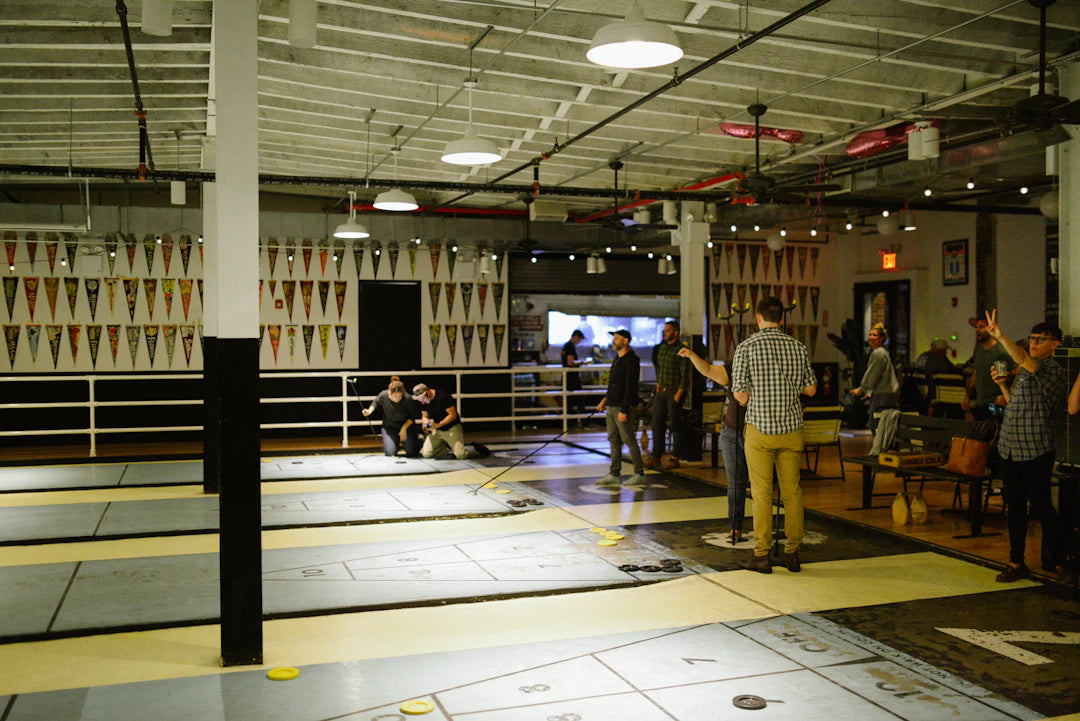
Shuffleboard is a game that involves sliding pucks down a long, narrow playing surface, aiming to land them in specific scoring zones. It can be played on traditional shuffleboard tables or recreational outdoor courts. The objective is straightforward: score points by placing your pucks closer to the target than your opponent’s pucks, showcasing both strategy and skill.
A Brief History of Shuffleboard
Originating in the 15th century, shuffleboard has its roots in the court games of Europe. While the exact timeline is murky, it is believed that players began to slide wooden pucks (or disks) along surfaces in English pubs. Over the centuries, the game evolved, gaining popularity in the United States during the 20th century, particularly in bars and recreational centers. Today, it remains a staple in game rooms and is played both recreationally and competitively.
The Different Variants of Shuffleboard
Shuffleboard comes in various forms, appealing to countless enthusiasts. Here are a few popular types:
- Table Shuffleboard: Typically played on a long table with a smooth surface, this variant often features scoring zones at each end.
- Deck Shuffleboard: Played outdoors on a court with scoring lines, this version is popular in cruise ships and various recreational areas.
- Court Shuffleboard: This type occupies a larger playing area, often involving lengthy rules for tournaments.
How to Play Shuffleboard
Shuffling your way to victory begins with understanding the basic rules. Here’s a comprehensive breakdown:
Setting Up
You will need a shuffleboard table or court, pucks, and preferably some chalk to keep track of the score. Typically, the table is 9 to 22 feet long. Ensure everyone knows the zones for scoring:
- Zone 1: 1 point
- Zone 2: 2 points
- Zone 3: 3 points
- Off: no points
Gameplay Mechanics
Players take turns sliding their pucks toward the opposite end of the table or court. There are a few essential rules to keep in mind:
- Only one player can score per round.
- A puck must cross the foul line for it to be counted.
- If a puck lands in a higher-scoring zone, it can potentially block the opponent's shots.
Winning the Game
Typically, games go to 15 or 21 points, depending on the agreed rules. Celebrate every point with enthusiasm, making it a more engaging competition between friends, family, or club members.
Shuffleboard Tips to Improve Your Game
No matter your skill level, everyone has room for improvement. Here are some tips to elevate your shuffleboard experience:
Practice Your Aim
Experience can vary significantly, so practice regularly. Set specific targets to improve your confidence with distances and angles. You can always practice on a professional-grade pool table if you don’t have a shuffleboard table at home.
Adjust Your Stance
A well-balanced stance can make all the difference. Ensure your feet are shoulder-width apart, allowing for fluid movement and better control. Keep your body weight slightly forward to promote follow-through.
Strategic Placement
Focus on where you want your puck to land. Rather than just aiming for the highest zone, consider defensive strategy to prevent your opponent from scoring while finding your scoring opportunities.
The Community Connection: Join the Shuffleboard Culture
As you dive into the world of shuffleboard, consider joining local clubs or communities. Shuffleboard often serves as a social activity as much as a competition. Engaging with others will enhance your skills while making new friends. Some venues even host tournaments—an excellent way to test your mettle!
Fun Facts About Shuffleboard
Here are a few interesting tidbits about shuffleboard that might surprise you:
- The largest shuffleboard tournament takes place in Florida, attracting players from around the world.
- Shuffleboard became popular in American bars, thanks to soldiers returning from World War II.
- Some shuffleboard tables can be over 22 feet long, creating a thrilling challenge.
Shuffleboard vs. Other Game Room Classics
Shuffleboard holds a unique position among traditional game room offerings. But how does it stack up against other games like darts or billiards?
Comparing Shuffleboard to Pool
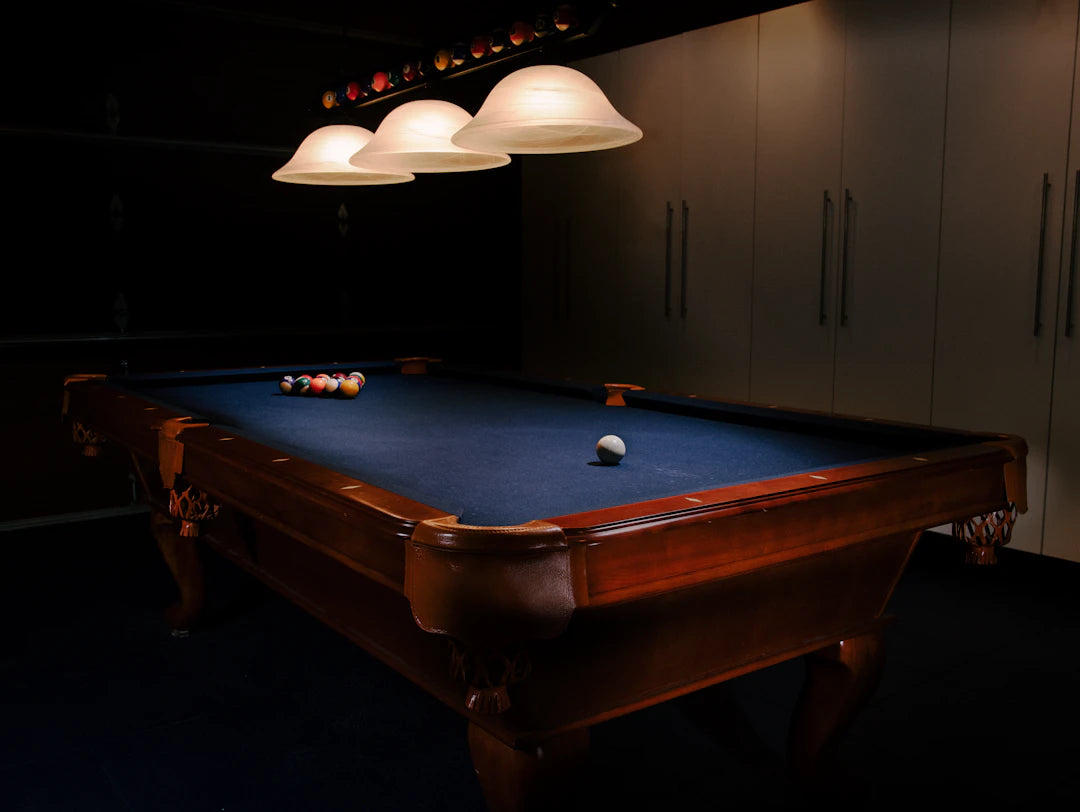
While a professional-grade pool table provides its own excitement and strategy, shuffleboard emphasizes different skills, such as precision and speed. The tactile sensation of sliding pucks combined with strategic thinking creates an engaging environment, appealing to casual players and seasoned enthusiasts alike. Both games complement each other beautifully, making it advisable for game rooms to include either or both for a comprehensive entertainment experience.
The Versatility of Game Rooms
When setting up a game room, incorporating various games can cater to the interests of diverse guests. Shuffleboard’s interactive nature makes it ideal for guests of all ages, encouraging them to enjoy friendly competition. Adding a professional-grade pool table will further enhance your entertainment options, offering something special for everyone.
Shuffleboard: The Perfect Family Game
One of the most appealing aspects of shuffleboard is its inclusivity. Children and adults alike can enjoy the game together, making it a perfect family activity. It promotes camaraderie while developing critical thinking skills:
- Children learn about aim and hand-eye coordination.
- Parents can engage in healthy competition.
- Family members can take turns, ensuring everyone feels included.
Creating a Shuffleboard Oasis at Home
Transforming your home into a shuffleboard haven can be an exciting project. Here are some essential elements to consider:
Choosing the Right Shuffleboard Table
Selecting a shuffleboard table involves consideration of size, style, and material. Do you prefer a classic wooden finish or a more modern design? The size of your game room will dictate your choice, so measure your space accordingly. A quality table will enhance gameplay, providing years of entertainment.
Creating a Comfortable Atmosphere
Incorporate comfortable seating, proper lighting, and even a refreshment station to enhance the shuffleboard experience. Creating a vibrant atmosphere will invite guests to enjoy playing games for hours on end.
Unlocking New Levels of Fun
Shuffleboard is not merely a game; it’s an avenue for connection, laughter, and lasting memories. From its rich history and inclusive gameplay to its vibrant community, every shuffleboard match is an opportunity to enjoy the moment. Whether it’s a casual game night with friends or competitive play in a tournament, the excitement of shuffleboard transcends generations.
Now, it’s your turn to grab some pucks and start sliding your way to fun! Whether you’re new to the game or a seasoned player, shuffleboard is ready to offer you an entertaining adventure. Pair it with your professional-grade pool table, and you'll have the ultimate game room where memories are made!
Frequently Asked Questions
1. What is Shuffleboard?
2. What are the different variants of Shuffleboard?
3. How do you play Shuffleboard?
4. What tips can improve my Shuffleboard game?
5. Why is Shuffleboard considered a great family game?
Glossary
| Term | Meaning |
|---|---|
| Shuffleboard | A game where players slide pucks to score points on a playing surface. |
| Puck | A flat disk used in shuffleboard to score points. |
| Scoring Zones | Areas on the playing surface where points can be earned. |
| Table Shuffleboard | Played on a long table, featuring scoring zones at both ends. |
| Deck Shuffleboard | Outdoor version played on courts with scoring lines. |
| Gameplay Mechanics | The basic rules and methods of playing shuffleboard. |
| Foul Line | The line a puck must cross to be counted in scoring. |
| Community Connection | Engaging with local clubs or groups to enhance the shuffleboard experience. |
| Professional-Grade Table | A high-quality shuffleboard table designed for serious play. |
| Inclusive Game | A game suitable for all ages, promoting family interaction. |
Linked Product

Regent Pool Table
The Regent Pool Table features a modern design with solid wood rails and brushed aluminum edge trim, making it a stylish addition to any game room or recreational space. With options in both 7 ft and 8 ft sizes, it caters to various room dimensions and player preferences. Its pedestal base legs provide enhanced stability during gameplay, ensuring a reliable experience for players of all ages and skill levels.
View Product